

Embracing Continuous Care: How Virtual-First Platforms Are Transforming Patient Support Beyond Appointments

Healthcare is changing fast. You no longer have to wait weeks for an appointment or feel disconnected from your provider between visits. Virtual-first care is reshaping how you access support, making it easier to stay connected with your health team whenever you need. This shift goes beyond scheduled sessions, introducing continuous care that keeps you engaged and supported at all times.
Let’s explore how virtual-first platforms are transforming patient support beyond traditional appointments and what this means for your health journey.
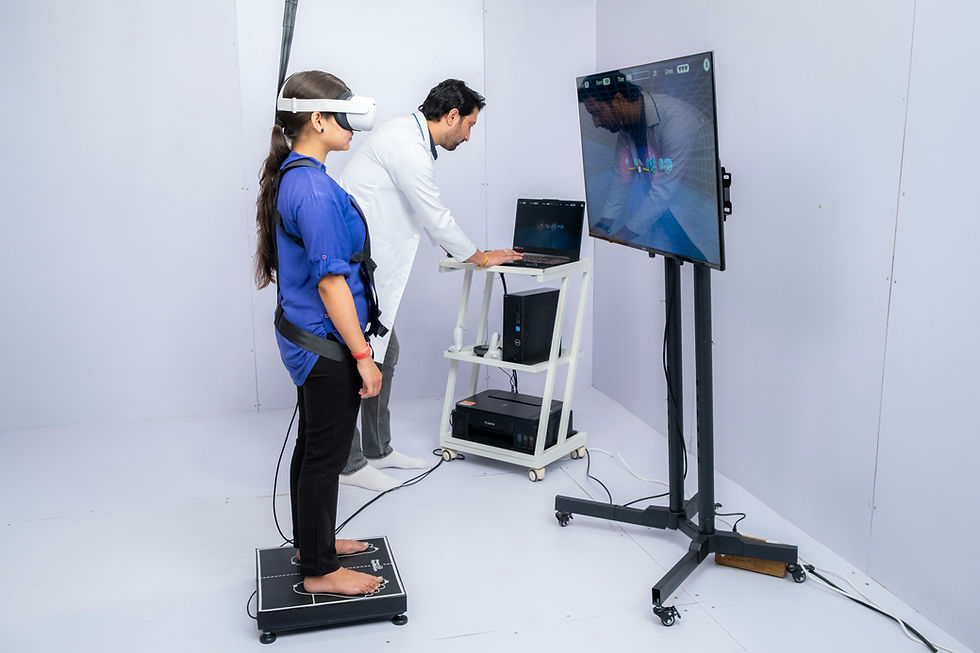
What Is Continuous Care in Virtual-First Platforms?
Continuous care means ongoing support that doesn’t stop when your appointment ends. Instead of only checking in during visits, your healthcare provider stays connected with you through digital tools. This approach helps manage chronic conditions, mental health, and preventive care more effectively.
Virtual-first care platforms are designed to put you at the center. They use technology to offer:
Real-time communication through messaging or video calls
Remote monitoring with wearable devices or apps
Personalized care plans that adjust based on your progress
Access to educational resources anytime you need them
This continuous connection helps catch issues early, adjust treatments quickly, and keep you motivated to follow your care plan.
How Virtual-First Care Improves Patient Experience
When care is continuous and virtual-first, you gain more control and convenience. Here’s how it changes your experience:
1. Access Support Anytime
You don’t have to wait for your next appointment to ask questions or report symptoms. Virtual platforms let you message your care team or schedule quick check-ins. This immediate access reduces anxiety and helps you feel supported.
2. Personalized Care That Adapts
Continuous care platforms collect data from your daily life, such as activity levels or medication adherence. Your provider can use this information to tailor your treatment in real time, making adjustments that fit your unique needs.
3. Better Management of Chronic Conditions
For conditions like diabetes, hypertension, or depression, ongoing monitoring is crucial. Virtual-first care allows your provider to track your health remotely and intervene before problems escalate, reducing hospital visits and improving outcomes.
4. Encouragement and Motivation
Staying engaged with your health can be challenging. Continuous care platforms often include reminders, goal tracking, and educational content that keep you motivated and informed.
Examples of Continuous Care in Action
Several virtual-first care platforms have successfully integrated continuous care features. Here are a few examples to illustrate how this works:
Livongo helps people with chronic conditions by providing connected devices and coaching. Users receive real-time feedback and support between visits, improving blood sugar or blood pressure control.
Talkspace offers mental health support with unlimited messaging therapy, allowing users to communicate with therapists anytime, not just during scheduled sessions.
Omada Health combines digital coaching, connected devices, and personalized plans to help prevent chronic diseases like diabetes through continuous engagement.
These platforms show how continuous care can improve health outcomes by keeping you connected and supported beyond traditional appointments.
What You Should Look for in a Virtual-First Care Platform
If you’re considering virtual-first care, here are key features to look for that support continuous care:
24/7 communication options such as chat or video
Integration with wearable devices for remote monitoring
Personalized care plans that update based on your data
Educational resources tailored to your condition
Easy-to-use interface that fits your lifestyle
Choosing a platform with these features ensures you get ongoing support that fits your needs.
Challenges and Considerations
While virtual-first care and continuous support offer many benefits, some challenges remain:
Technology access and literacy can limit use for some patients
Privacy and data security must be carefully managed
Insurance coverage for virtual services varies
Not all conditions can be managed fully virtually
Understanding these factors helps you make informed decisions and discuss options with your provider.
How to Make the Most of Continuous Care
To benefit fully from virtual-first continuous care, consider these tips:
Be proactive: Reach out to your care team when you notice changes or have questions
Use connected devices consistently to provide accurate data
Engage with educational content to understand your condition better
Set goals with your provider and track your progress regularly
Provide feedback on the platform’s usability and support to improve your experience
Your active participation helps make continuous care more effective.
The Future of Patient Support Is Continuous and Virtual
Virtual-first care platforms are changing healthcare by offering continuous support that fits your life. This approach helps you stay connected with your provider, manage your health more effectively, and feel confident between visits. As technology advances, expect even more personalized and responsive care options that keep your well-being front and center.
If you want to take control of your health, explore virtual-first care platforms that offer continuous care. This ongoing connection could be the key to better outcomes and a smoother healthcare experience.


Comments